














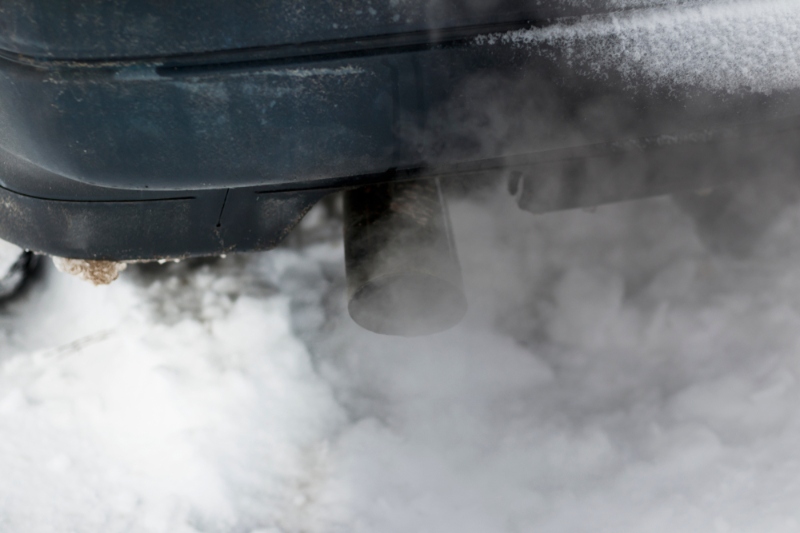
According to Freedom of Information (FOI) request data from London boroughs, 71% of responding councils continue to operate majority diesel fleets.
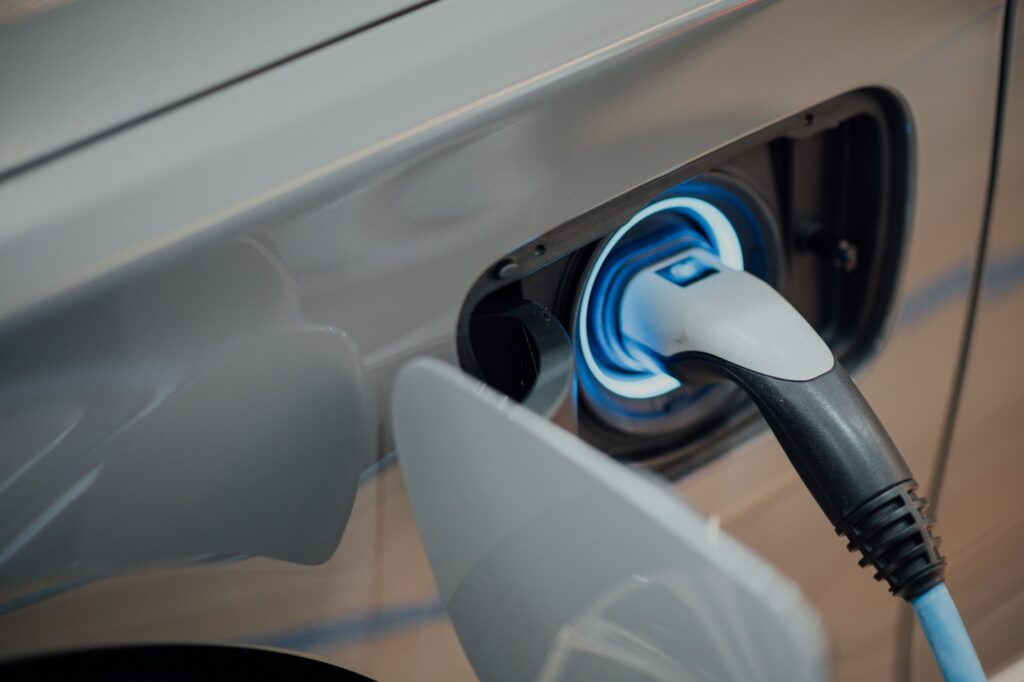
The analysis by the non-profit organisation Impact on Urban Health (IUH) found that electric vehicles (EVs) made up only 21% of the assets in the responding councils’ fleets. It also revealed that roughly 5000 of the diesel vehicles operating in the capital are part of local authority fleets, based on IUH’s estimations.
FOI requests were sent to all 32 London borough councils; however, the following local authorities did not respond: Barking, Camden, Croydon, Ealing, Enfield, Haringey, Harrow and Sutton.
Among the councils with the greatest proportion of diesel-powered fleet vehicles were Hillingdon LBC (97%), Richmond upon Thames LBC (96%), Bexley LBC (95%), Barnet LBC (94%), and Hounslow LBC (94%).
Havering Council was also found to have acquired one hundred new diesel vehicles over the last five years, juxtaposing the general trend of lower diesel car numbers in London, which has decreased by 44% between 2019 and 2023.
Some councils were revealed to have made progress in their efforts to transition to green fleets. Lewisham LBC proved most successful in these strides, with its fleet consisting of 285 EVs and four diesel vehicles.
The research found that the following councils had the largest number of electric and hybrid vehicles: Lewisham LBC (88%), Hammersmith and Fulham LBC (82%), Westminster City Council (60%), Kingston upon Thames LBC (52%), and Lambeth LBC (30%).
IUH has outlined the detrimental effects of emissions that contribute to air pollution, which disproportionately impact children, people from lower-income regions, and people from racially minoritised communities.
It has reinforced the harmful health repercussions of diesel pollution, which the World Health Organisation has identified as having carcinogenic properties linked to heart and lung damage.
The group has urged councils to switch to a zero-exhaust emission fleet to help cut fleet emissions. To support the move, it has called on the Greater London Authority to implement mandatory transparency requirements on air quality action, applicable to all London boroughs.
Ben Pearce, head of the health effects of air pollution programme at IUH, said: ‘London's councils are on the front line of delivering cleaner, healthier neighbourhoods, but too many are still operating fleets that add to the problem rather than help solve it.’
He emphasised that councils should be supported in transitioning to greener fleets, acknowledging that they face financial and logistical pressures in doing so, but highlighted that the ‘health consequences of inaction are stark’.
Sign up here to receive our free weekly news bulletin and quarterly e-book.
Leave a Reply