







Adam McArthur, Hull City Council’s head of environmental services and open spaces, explains how weekly food waste collections were delivered, from fleet procurement and recruitment to resident engagement, and what other councils should do early.
- What changes did the Simpler Recycling rollout require to Hull’s collection fleet, and what drove your decisions on vehicle types, capacity and fuel or power source?
Ahead of the Simpler Recycling rollout, Hull City Council undertook extensive research into a wide range of collection vehicles and body manufacturers. This included reviewing different collection methodologies, from traditional single-bodied collection vehicles through to multi-compartment recycling vehicles.
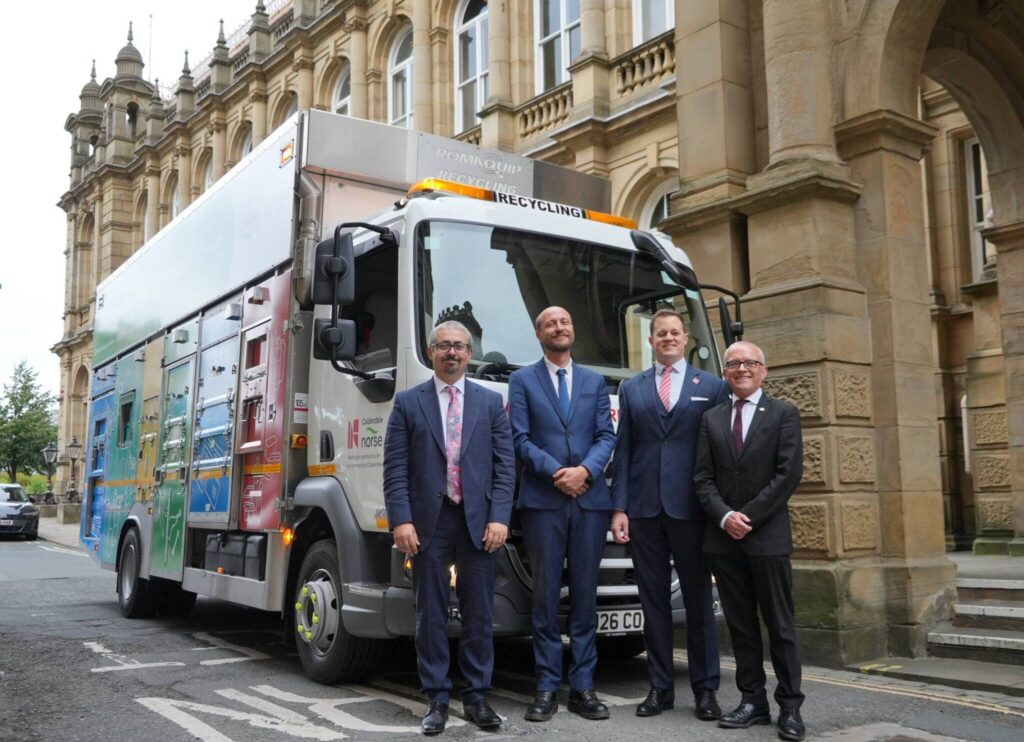
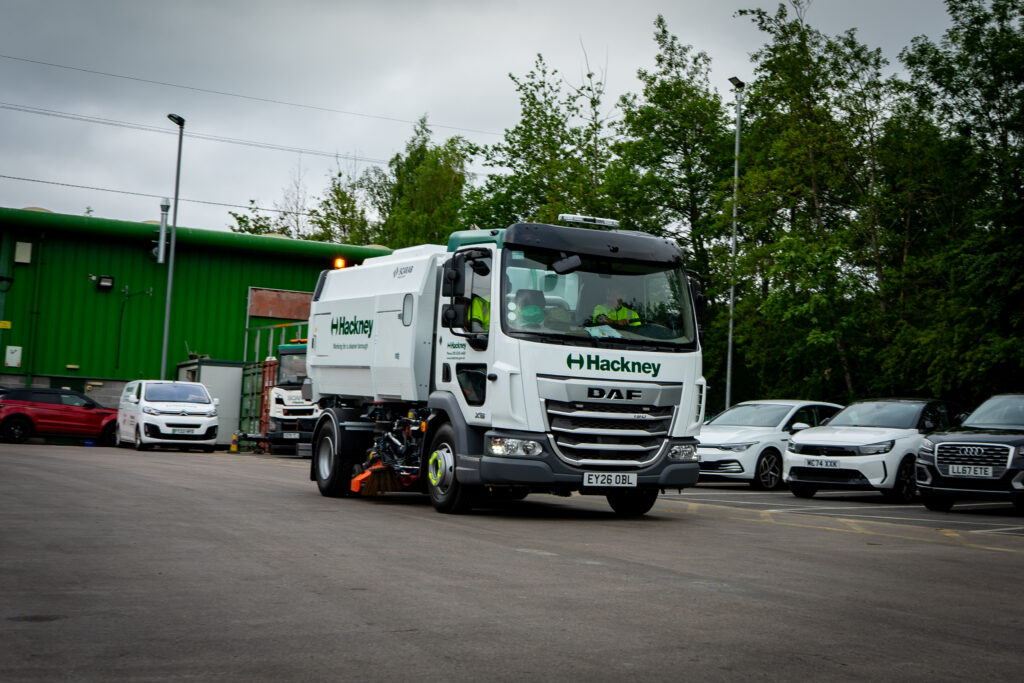
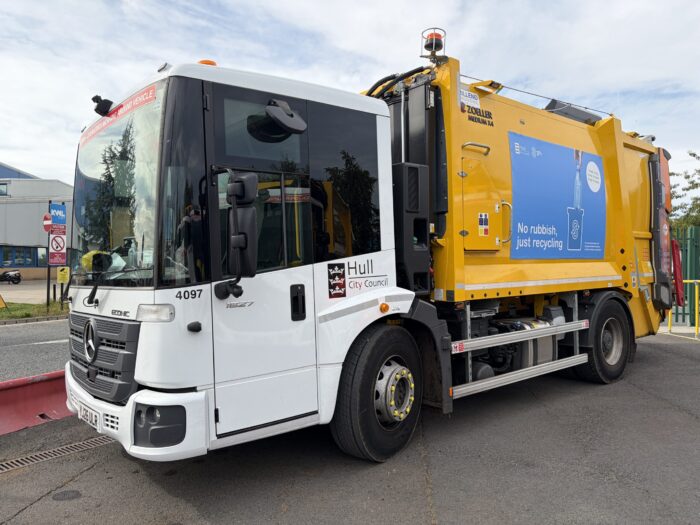
Following detailed analysis, the council selected a fleet solution that supported its agreed collection model and the introduction of weekly food waste collections. To deliver this service expansion, the council procured an additional 10 26-tonne single-bodied refuse collection vehicles, six 18-tonne single-bodied vehicles and one 12.5-tonne battery-electric trade waste collection vehicle.
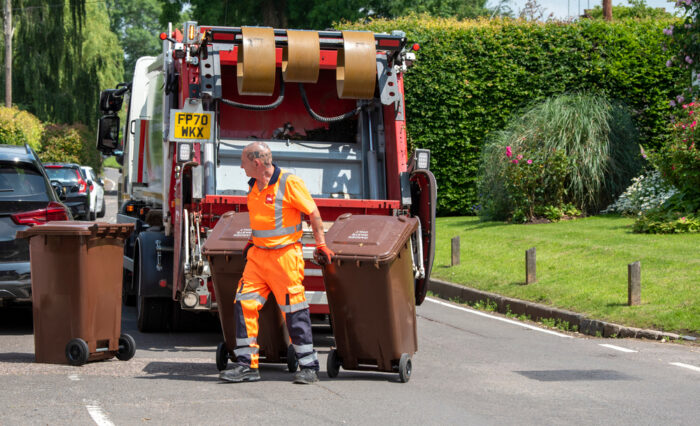
The decision was driven by operational requirements rather than adopting technology for its own sake. Moving to weekly organic waste collections meant significantly expanding collection capacity, increasing brown bin and food waste rounds from six to 12 26-tonne rounds, and from two to four 12-tonne rounds, alongside the addition of an 18-tonne collection round.
The new fleet provides the capacity and reliability needed to meet service demand while also allowing the council to begin introducing lower-emission vehicles into its operations. The battery-electric trade waste vehicle is providing valuable operational insight into how alternative-fuel vehicles can support future fleet decarbonisation plans.
- What were the biggest operational challenges in delivering the new collections, such as round redesign, vehicle procurement, depot capacity and driver recruitment, and how did you overcome them?
One of the key factors in successfully delivering Simpler Recycling was the early decision-making process. Hull City Council’s Cabinet approved the preferred collection model in March 2025, following a WRAP-funded collection options modelling exercise that assessed deliverability, impacts on existing services and overall costs.
The selected approach was to increase the collection frequency of the existing co-mingled organic waste scheme from fortnightly to weekly. Securing this decision early gave officers sufficient time to redesign collection rounds, assess fleet requirements, begin vehicle procurement and plan workforce expansion.
Once route redesign work had been completed and scrutinised by operational teams, recruitment activity commenced. A high-profile recruitment campaign, which gained national recognition in the trade press, successfully recruited 54 additional frontline employees, including 16 drivers and 38 loaders.
The new starters joined the service in January 2026, providing a vital transition period before the April 2026 launch. During this time, they supported the reinvigoration of existing food waste collections, helping distribute 15,000 new food waste caddies and associated communications materials to households across the city, while also gaining experience within frontline collection operations.
As with many large-scale fleet procurements, vehicle delivery times presented challenges. To ensure the service launched as planned, the council adopted a phased fleet introduction supported by hired vehicles where necessary. This approach ensured service continuity and enabled resident communications and operational implementation to remain aligned with the planned launch timetable.
Since implementation, route optimisation continues to be reviewed and refined to ensure the service remains as efficient as possible.
- How has the council balanced its resident engagement work, including the Simpler Recycling website and waste web app, with the practicalities of getting crews and vehicles out on the road, and has digital data helped you plan rounds or respond to problems?
Resident engagement was treated as an integral part of the operational rollout rather than a separate communications exercise. A clear programme governance structure was established, with senior managers overseeing delivery at a strategic level while responsibility for specific workstreams was distributed across specialist project teams.
Dedicated teams were assigned to key areas including the Simpler Recycling website, the waste web app, education resources for schools and young people, customer communications campaigns, operational readiness activity and resident support. This approach ensured each element of the programme progressed simultaneously while maintaining a single, coordinated delivery plan.
The council developed targeted campaign plans to support each phase of implementation, ensuring residents received timely information about service changes, food waste collections, container requirements and collection arrangements.
Digital tools have also played an important role in supporting operational delivery. The Simpler Recycling website and waste web app provide residents with quick access to information while reducing demand on traditional contact channels. Data captured through customer interactions, service requests and collection reporting systems helps operational teams identify recurring issues, monitor performance and respond more quickly where collection problems arise.
The council’s use of digital platforms, together with operational systems including Bartec and customer engagement technologies, has enabled closer alignment between customer insight and frontline service delivery. This has helped inform route optimisation, identify areas requiring additional support and improve responsiveness during the transition to the new service model.
- Now that the new service is up and running, what have you learned about how the fleet performs day to day, including reliability, maintenance and crew safety, and what advice would you give to other councils still preparing their own rollouts?
Introducing a significant number of new vehicles within a relatively short period inevitably brings a period of adjustment. Whilst vehicles leave manufacturers fully tested and undergo comprehensive pre-delivery inspections through the council’s fleet partner, some operational issues only become apparent once vehicles enter live service.
As expected, there was an initial bedding-in period while vehicle settings were fine-tuned and any early-stage issues were addressed. As this period progressed, vehicle reliability improved and crews became increasingly familiar with the new equipment, including Zöller lifting systems and advanced safety technologies fitted to the fleet.
The result has been improved operational performance, greater confidence among crews and increased productivity across collection rounds.
One of the council’s key lessons from the rollout is the importance of early planning. Once the April 2026 implementation date for Simpler Recycling was established, the council worked backwards to develop a realistic, deliverable programme with clear milestones.
Another important factor was assigning subject-matter leads across different areas of the project, including fleet, operations, communications, workforce planning and customer services. Breaking the programme into manageable workstreams allowed progress to be monitored closely through regular project meetings and ensured risks could be identified and addressed early.
For authorities preparing for similar rollouts, our advice would be to ensure decisions are made as early as possible, establish clear project governance, involve operational teams in route design and fleet specification, and allow sufficient time for workforce recruitment and training before go-live.
- Looking ahead, how is the council planning the future of its collection fleet, including decarbonisation, vehicle replacement and the capacity to cope with any further changes to services?
The Simpler Recycling rollout has provided the council with a strong platform for future fleet planning. As vehicle replacement programmes are developed, Hull City Council will continue to review emerging technologies and alternative-fuel solutions to ensure future investment supports both service delivery requirements and wider environmental objectives.
The introduction of the council’s first battery-electric trade waste collection vehicle represents an important step in understanding how electric collection vehicles can operate within a real-world urban environment. The performance data and operational experience gained will help inform future fleet replacement decisions.
Alongside decarbonisation considerations, the council continues to monitor service performance, participation levels and waste growth trends to ensure sufficient fleet capacity is available to meet future demand. The flexibility built into the current collection model and the lessons learned through the Simpler Recycling programme place the council in a strong position to respond to future legislative, environmental and service changes.
The council’s approach will continue to centre on balancing operational resilience, affordability, environmental performance and customer service, ensuring residents receive reliable waste and recycling services while supporting Hull’s longer-term sustainability ambitions.
Photo: © Hull City Council
Leave a Reply