











As Calderdale Norse takes over waste and recycling collections from Calderdale Council, LAPV speaks to the council and Norse Group about vehicle ownership, TUPE transfers, telematics integration and the flexibility the joint venture model offers for future fleet investment.
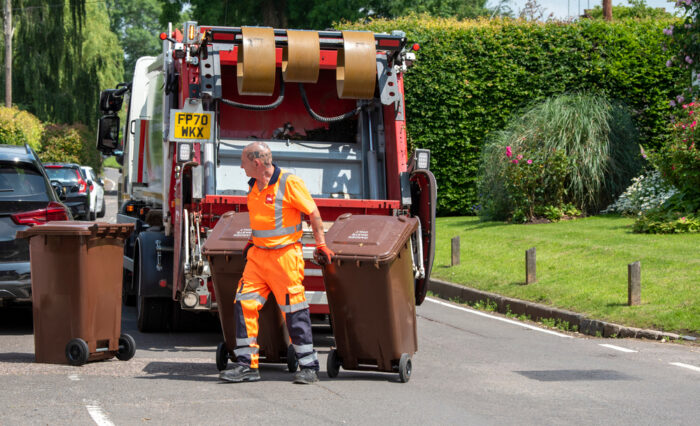
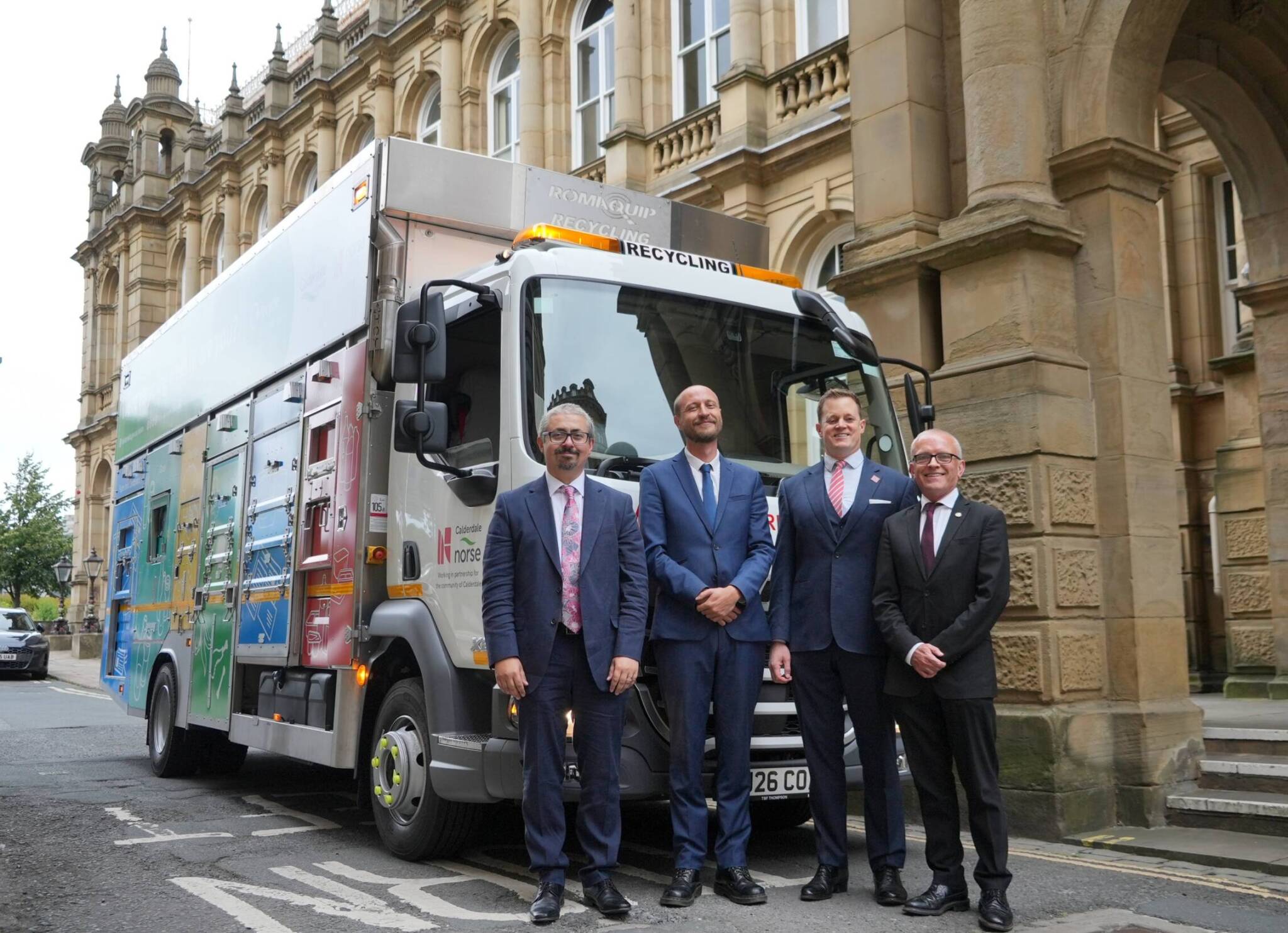
Calderdale Council’s new joint venture with Norse Group, Calderdale Norse, took over household waste and recycling collections from 1 August, replacing the authority’s outgoing contract with SUEZ and bringing services back under a locally-owned partnership model. The arrangement covers over 7.5 million waste collections from roughly 95,000 households annually, with existing staff transferring across to maintain continuity of service and retain local expertise.
Behind the headline sits a significant fleet transition. LAPV put questions to Calderdale Council and Norse Group to find out how the fleet side of the partnership has been set up.
- What happens to the existing collection fleet under the new arrangement?
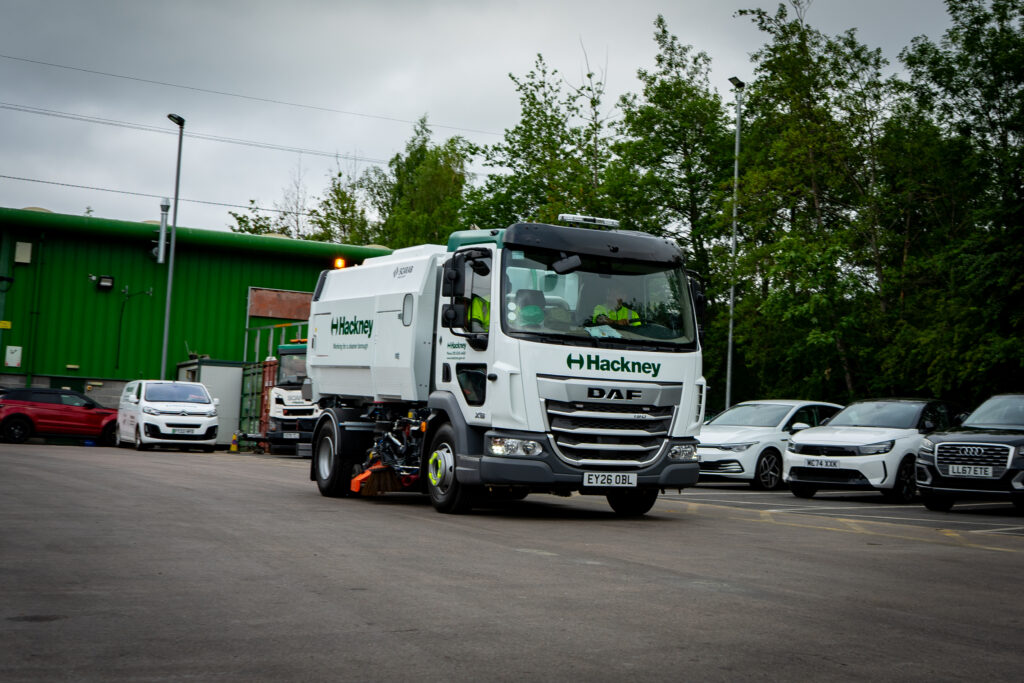
Calderdale Council began purchasing vehicles in 2024 in preparation for the mobilisation of Calderdale Norse, with the majority delivered by summer 2026, and the remaining vehicles due to arrive in autumn. Ownership of the fleet remains with Calderdale Council, with Calderdale Norse acting as the Registered Keeper and responsible for operating and maintaining the vehicles as part of service delivery.
Throughout this process, Norse Group worked closely with Calderdale Council to support the specification and procurement of new fleet assets, helping to ensure that vehicles entering service under the new joint venture were safe, compliant and operationally ready from day one. A robust due diligence process was undertaken to verify that refuse collection vehicles, recycling vehicles and other specialist waste assets met fleet safety and operational standards, while also being fit for purpose and aligned with the needs of the service.
- With staff transferring under TUPE, are there any practical considerations around driver revalidation, depot access, or maintenance continuity during the 1 August handover?
The transition was carefully planned, with Calderdale Council and Norse Group working closely throughout the mobilisation period to support service continuity for both employees and residents.
Many employees delivering waste services have transferred to Calderdale Norse under TUPE, meaning they are already familiar with the vehicles, routes, depot facilities and operational procedures. This continuity has helped minimise disruption and support smooth fleet operations.
- Does the joint venture structure give Calderdale Norse more flexibility than a traditional outsourced contract to invest in alternative-fuel or electric RCVs and other cleaner vehicle technology going forward?
The flexibility of the joint venture model enables Calderdale Council to retain influence over service delivery, respond to changing priorities and invest in solutions that reflect local needs, while drawing on Norse Group’s operational expertise and experience. As vehicles reach the end of their operational life, the partnership provides opportunities to introduce cleaner, more sustainable technologies through the ongoing fleet replacement programme.
This commitment to continuous improvement and the environment is already being demonstrated through the introduction of Hydrotreated Vegetable Oil (HVO), which is now used across the entire Calderdale Norse fleet.
- How are telematics, routing and vehicle data systems being handled through the transition, and will these be integrated with any wider council or Norse Group systems?
Calderdale Norse has successfully adopted the fleet management, telematics and operational systems already in use across the wider Norse Group. Throughout the mobilisation and transition period, Norse teams have worked closely with council colleagues to ensure a smooth implementation and effective integration of processes, data and reporting requirements.
Significant enhancements have been introduced to improve vehicle safety, compliance and operational oversight. These include the installation of 360-degree camera systems, reverse radar technology and anti-roll-away protection systems on applicable HGVs. These measures help reduce risk to operatives, other road users and members of the public, while maintaining consistent fleet safety standards.
The partnership has also introduced electronic driver first-use vehicle checks and digital defect reporting. This provides real-time visibility of vehicle condition, improves compliance monitoring, enhances record keeping and enables defects to be identified and addressed more quickly.
Looking ahead, there are opportunities to further utilise the collection round management and routing systems already in place. These systems can support route optimisation, provide greater operational insight and improve understanding of collection rounds, helping to drive efficiency, service performance and continuous improvement.
- What lessons from Norse Group’s experience running similar models elsewhere have informed how the fleet side of this partnership has been set up?
As a jointly owned company between Calderdale Council and Norse Group, the fleet model was developed collaboratively.
A key strategic decision was for Calderdale Council to retain ownership of the fleet. This approach provides the council with greater long-term flexibility over service delivery and future operational planning, while enabling Calderdale Norse to benefit from Norse Group’s proven fleet management expertise, maintenance standards and operational best practice.
Norse Group supported this approach, recognising the value of combining local ownership with the efficiencies, governance and industry experience gained from managing fleets across a wide range of local authority partnerships. This model helps ensure the fleet is well positioned to meet current service demands while retaining the flexibility to adapt to future requirements.
Sign up here to receive our free weekly news bulletin and quarterly e-book.
Photo: © Calderdale Council.
Leave a Reply