






Scott Millar, Fleet and Workshops Manager at City of Edinburgh Council, explains how the authority is electrifying its 1,100-strong fleet, recruiting technicians and moving to a rolling replacement programme.
- Could you give readers an overview of the City of Edinburgh Council fleet and workshops operation?
The City of Edinburgh Council operates approximately 1,100 vehicles and items of plant, supporting essential services including waste collection, roads maintenance, winter operations and parks. The fleet ranges from cars and vans to refuse collection vehicles, sweepers, gritters and specialist plant.
We operate four workshops. Bankhead is a modern five-bay HGV facility, opened in November 2024, while Seafield’s modern two-bay HGV facility opened in July 2021. Russell Road provides accident repair and maintenance for cars, light commercial vehicles and welfare buses, with plans for modernisation. Peffer Place maintains grounds maintenance plant and is scheduled to close in 2027, with further development at Bankhead.
Around 40 skilled technicians work across our HGV, car, van and plant disciplines, supported by three apprentices.
- Edinburgh has ambitious net zero targets. How is the council approaching fleet electrification, and what have been the biggest practical challenges?
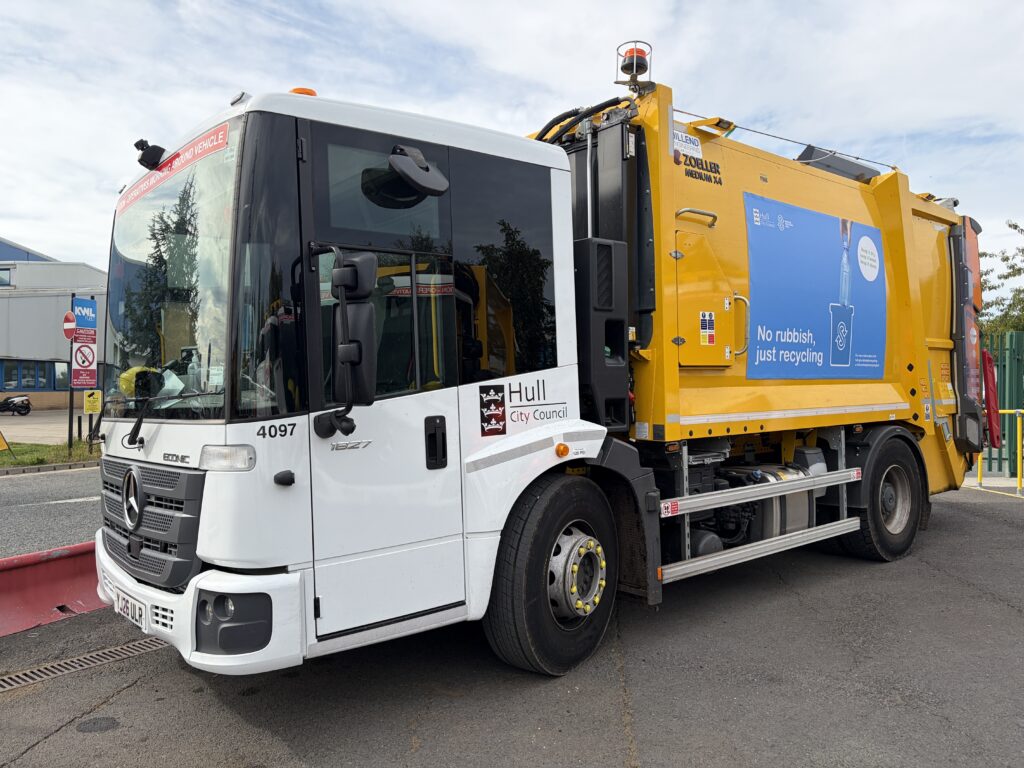
Around 21% of our road-registered fleet is now electric. This includes 105 small vans and 100 cars, alongside five fully electric refuse collection vehicles, three electric welfare buses and two electric mobile libraries.
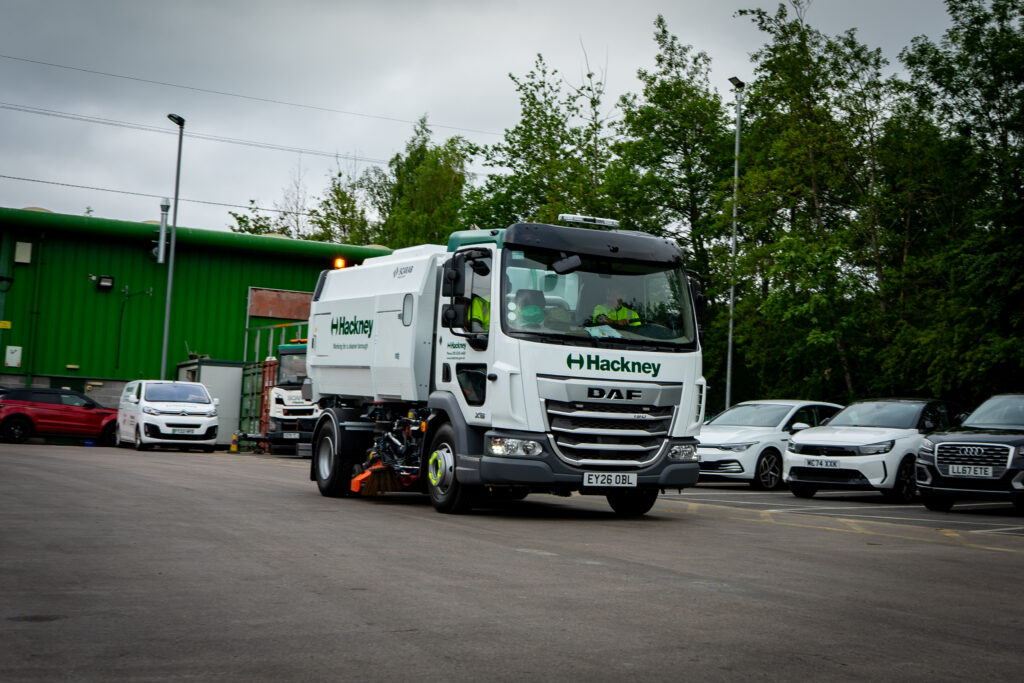
We have also embraced specialist technology. Our 16-tonne electric mechanical sweeper was the first of its kind in service in Scotland when introduced in August 2020.
The challenges are practical as well as technological. We must consider range, payload, utilisation, charging infrastructure and electrical capacity at our depots. These factors are particularly important for larger specialist vehicles working demanding routes. Our approach is pragmatic: electrification must support our environmental ambitions without compromising service delivery, reliability or value for money.
- How are you tackling technician shortages and preparing workshop staff for new technology?
We employ around 40 technicians across a range of disciplines and currently have three apprentices, including two women. Developing the next generation and encouraging diversity in what has traditionally been a male-dominated industry are important priorities.
Recruiting HGV technicians has gone well recently. We have found that some experienced technicians are attracted by the wider package local government can offer, particularly pension benefits and a better work-life balance compared with some main dealer roles. This shows that recruitment is not always just about salary; employers should promote the wider benefits and opportunities they offer.
As vehicle technology develops, ongoing training and upskilling will be essential, particularly in diagnostics, electrical systems and high-voltage safety, alongside traditional mechanical skills.
- How do you approach vehicle procurement and replacement planning, and how are budget pressures, supply chain delays and rising maintenance costs affecting your decisions?
A major development has been establishing a continuous fleet replacement programme after a prolonged period of underinvestment left us with an ageing fleet and a significant replacement backlog. The initial focus has been to address that backlog. Our next step is to spread replacement more evenly over a rolling five-year programme, rather than having to replace large numbers of similar vehicles, such as refuse collection vehicles, in a single year. This will make capital requirements more predictable and support better long-term planning.
We are also challenging the assumption that every vehicle should be kept for the same length of time. For specialist assets such as gully tankers, we are exploring whether a premium chassis product, operated intensively for two to three years and then sold while residual values remain strong, could offer better whole-life value than keeping a vehicle for seven years or more. The analysis needs to balance the higher initial investment against resale value, maintenance costs and the cost of hire vehicles when breakdowns cause unplanned downtime.
Ultimately, decisions must consider whole-life cost, reliability, availability and operational suitability, not simply the initial purchase price.
- What project or change are you most proud of in recent years, what advice would you give other public sector fleet managers, and what are your priorities for the next few years?
I am particularly proud of the investment in our workshop facilities and the establishment of a structured replacement programme. The new facilities at Seafield and Bankhead provide modern working environments and strengthen our ability to maintain a diverse fleet.
It has also been rewarding to see the team recognised at the Scottish Transport News Awards: Local Authority Fleet Operator of the Year in 2025 and Scotland’s Top Road Safety Fleet Operator in 2026. These achievements reflect the collective work of our fleet, workshop and operational teams.
My advice to other public-sector fleet managers is to understand your assets, the demands placed on them and the data behind your decisions. Strong relationships across fleet, operational services, finance and procurement are equally important.
Our priorities are to continue modernising facilities, strengthen asset management and replacement planning, develop our workforce and support the transition to lower-emission vehicles while maintaining safe, reliable and cost-effective services.
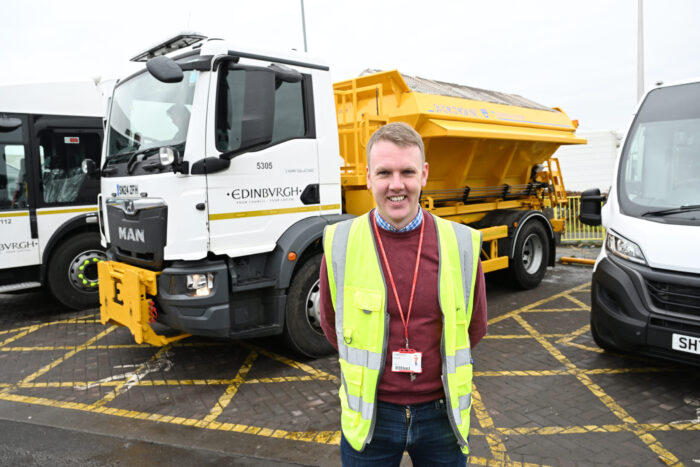
Photo: Scott Millar is Fleet and Workshops Manager at City of Edinburgh Council © City of Edinburgh Council
Leave a Reply