













As Britain’s litter crisis deepens and council budgets tighten, more local authorities are turning to mechanised street-cleaning solutions to do more with less. LAPV reports.
Britain has a litter problem, and it’s getting worse. New research from Keep Britain Tidy found waste present at the overwhelming majority of urban and rural sites surveyed for its Rubbish Reality report, painting a picture of a country struggling to keep its streets, parks and transport hubs clean. For local authorities already stretched thin, the findings are a stark reminder of just how much ground there is left to cover.
A culture of littering
The scale of the problem isn’t just about volume, it’s about behaviour. Follow-up research from Keep Britain Tidy and YouGov found that close to half of UK adults admit to having littered in the past year. Food and drink packaging is a particular culprit, with millions confessing to leaving it behind after eating on the go, while significant numbers also admit to dumping rubbish at bus stops and train stations rather than carrying it to a bin.
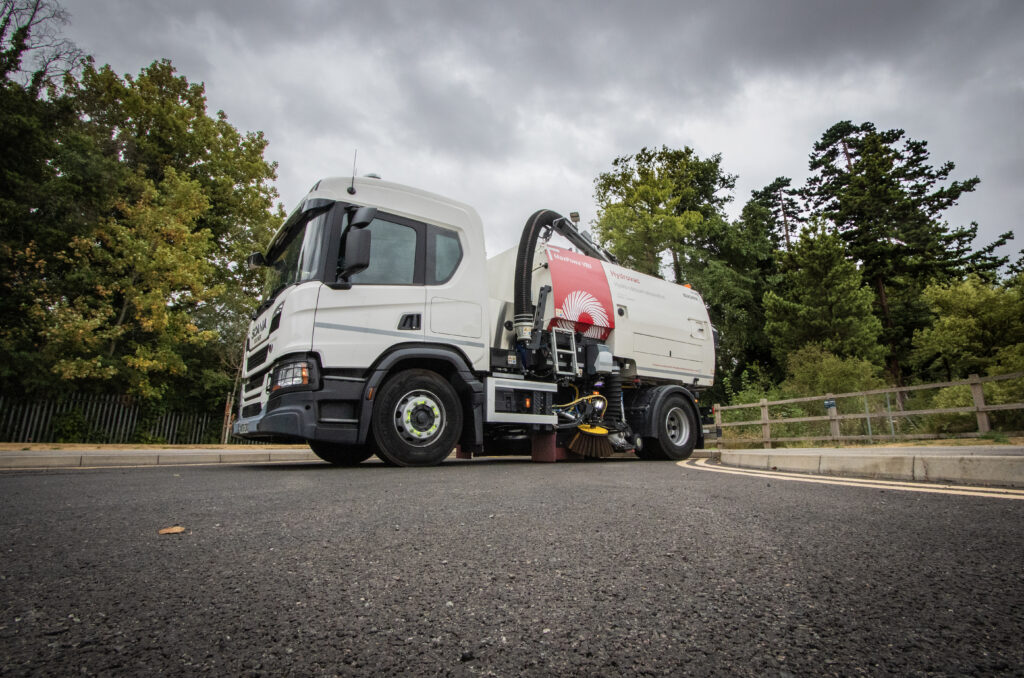
For councils, that adds up to a relentless daily workload. Industry estimates put the number of individual pieces of litter dropped across the UK at more than two million a day, equivalent to roughly 23 every second. Multiply that across thousands of streets, parks and public spaces, and the statutory duty to keep public land clean starts to look like an uphill battle.
Squeezed budgets, growing demand
The timing couldn’t be tougher. English councils are facing a projected funding gap approaching £5bn by the end of the decade, driven overwhelmingly by rising demand in areas like social care and homelessness support. As those statutory priorities absorb an ever-larger share of budgets, discretionary services such as street cleansing are increasingly left competing for what’s left over.
Local authorities already spend in the region of £1bn a year nationally tackling litter and fly-tipping across streets, parks and public spaces. With that spend unlikely to grow, and quite possibly set to shrink further, councils are being forced to ask a harder question: not how to spend more, but how to get more from what they already have.
Technology stepping into the gap
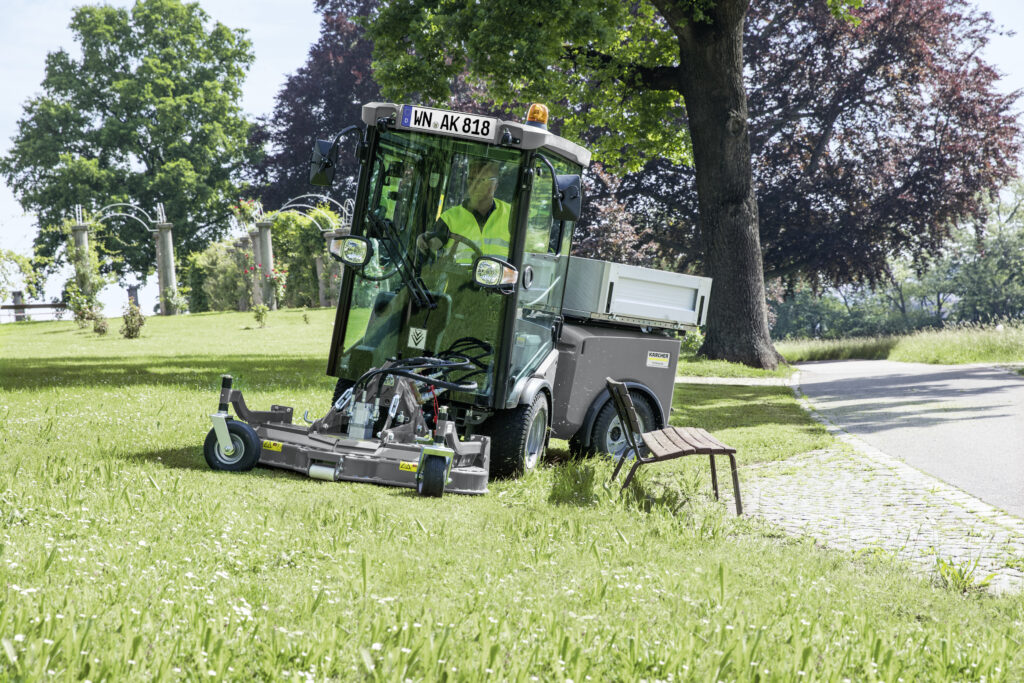
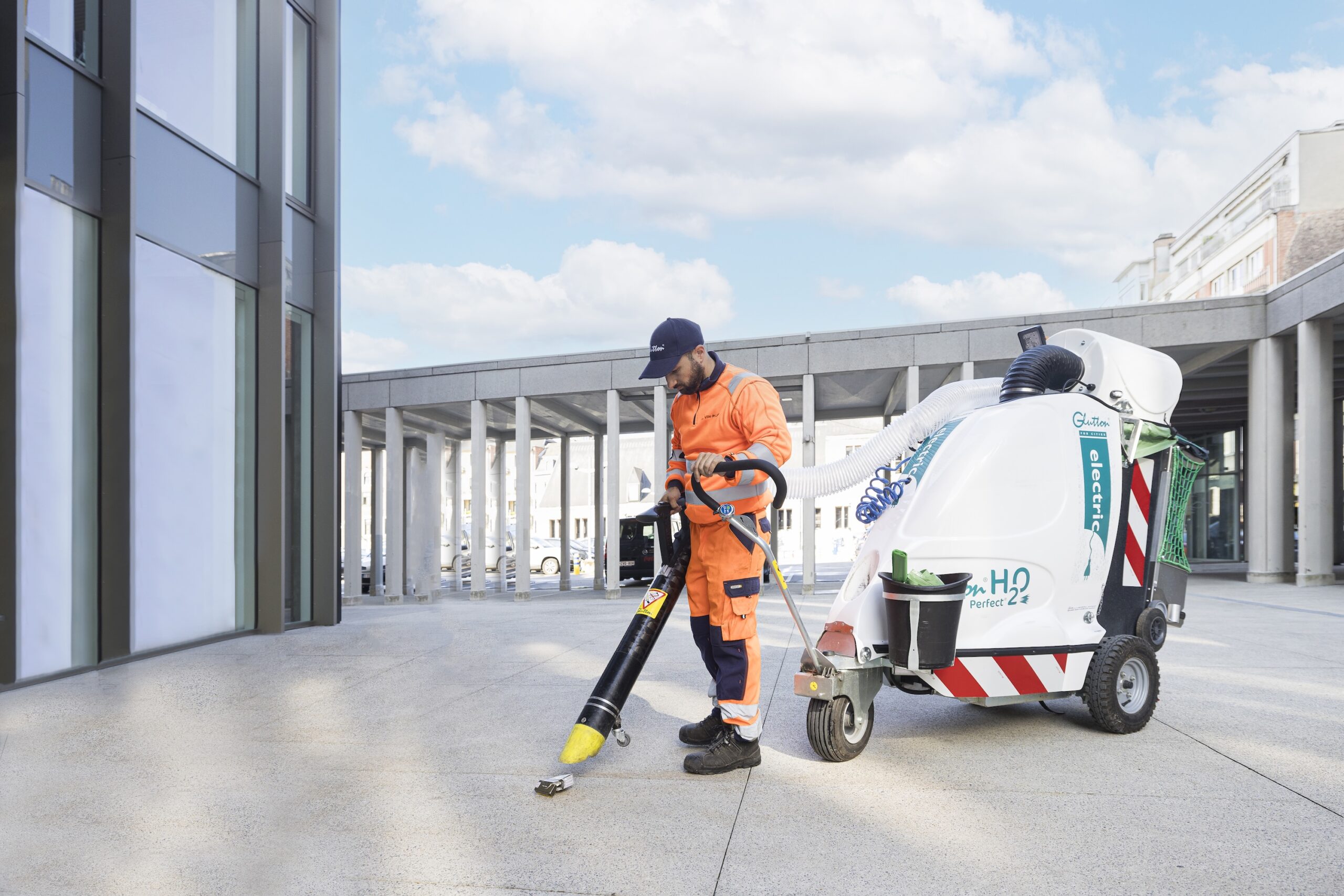
That question is fuelling growing interest in mechanised alternatives to traditional street cleansing. Bradshaw EV, UK distributor for the Glutton range of litter-collection vehicles, says it has seen a marked rise in enquiries from local authorities exploring machines like the Glutton® Litter Vacuum and Glutton® H2O Perfect as a way of covering more ground with fewer staff.
According to Ramsy Labassi, Marketing Manager at Bradshaw EV, the appeal lies in efficiency. He argues that the days of relying purely on operatives with a broom and bin bag are numbered, given the scale and pace at which litter is now accumulating. Labassi says the Glutton range can be at least 10 times more efficient than manual methods, largely because it removes the need for repetitive bending, individual picking and bag changes that slow traditional cleansing rounds.
In practice, that means a single operator equipped with a Glutton machine can cover substantially more ground in a shift than a manual team, collecting greater volumes of waste without the need to deploy additional staff. For cash-strapped councils, that kind of productivity gain, doing more with the same headcount, rather than needing more, is increasingly the difference between keeping pace with demand and falling further behind.
A shift in mindset, not just machinery
Labassi is careful to frame this as more than a straightforward equipment upgrade. He points to a broader shift in how councils are thinking about cleansing operations altogether, moving away from labour-intensive routines and toward smarter deployment of the resources they already have, often paired with greater reliance on community clean-up initiatives to tackle persistent litter hotspots.
Whether that shift is enough to keep pace with a litter problem that shows little sign of abating remains to be seen. But with budgets tightening and demand rising in tandem, the pressure on councils to find efficiency wherever they can is only going to intensify, and manufacturers like Bradshaw EV are betting that mechanisation will be a significant part of the answer.
Sign up here to receive our free weekly news bulletin and quarterly e-book.
Photo: The Glutton® H2O Perfect in action © Bradshaw EV.
Leave a Reply