













When local government reorganisation (LGR) created Westmorland and Furness Council in 2023, Austin Shields, Senior Manager – Fleet Services, found himself inheriting vehicles, depots, data systems and working cultures from multiple legacy organisations. Here, he shares with LAPV what he learned – and what he’d do differently.
When the Government announced local government reform in summer 2021, Austin Shields immediately got the ball rolling. Within a couple of months, he had already begun convening meetings with fleet contacts across all six district councils involved in the reorganisation that would eventually create both Westmorland and Furness Council and Cumberland Council.
‘Somebody needed to take ownership of it,’ he says simply. ‘I decided to do that.’
That instinct to get ahead of the process would prove invaluable. With less than two years between the Government’s announcement and vesting day on 1 April 2023, there was precious little time to waste.
Dividing up a county
Westmorland and Furness was formed from three legacy district councils – Barrow Borough Council, South Lakeland District Council and Eden District Council – but the more complex challenge came from dividing Cumbria County Council, which was effectively split in two.
The county had operated in informal geographic clusters – Carlisle and Eden working together, Barrow and South Lakeland together, Allerdale and Copeland together – and unpicking that required careful consideration of both operational practices and vehicle allocation.
Complicating matters further, the waste and recycling function in Barrow had only been brought back in-house around six months before vesting day. And Cumbria Fire and Rescue Service, previously part of the county council, also moved into new governance arrangements on the same day, requiring a separate transition arrangement for their fleet.
There was also, frankly, an ageing fleet to contend with. ‘There was no formally approved strategy really in place at that stage,’ Shields says. ‘The vehicles were a mixture of owned, leased and hired.”
Building the foundations
One of the first practical steps was procuring a common fleet management system. Previously, there had been three different ways of managing fleet maintenance records across the legacy organisations. Getting all vehicles onto a single database early on proved essential.
Telematics coverage was patchy too, making it difficult to build a clear picture of fleet utilisation. To address the gaps, Shields commissioned Cenex, a not-for-profit organisation, to produce a Fleet Decarbonisation and Replacement Strategy – using modelling techniques where hard data was unavailable.
Stakeholder engagement ran in parallel. Shields sought input from council directors, assistant directors, service managers and elected members early in the process, which helped to shape the strategy’s direction. With a Liberal Democrat administration in place, the climate agenda was a clear priority – but the geography of the council area demanded a pragmatic approach.
Realism over ambition
Westmorland and Furness is the third largest council by land area in England, after North Yorkshire and Northumberland. Its population of around 225,000 is spread across a predominantly rural patch; driving from one end to the other takes well over two hours.
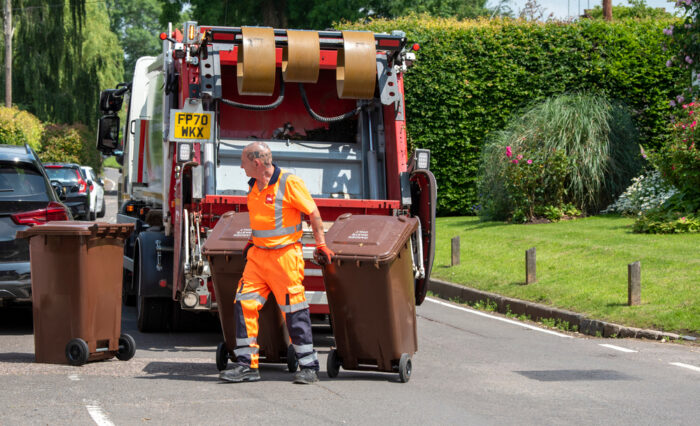
‘It’s not going to be feasible at the moment with technology to run an electric refuse collection vehicle or electric gritter across some of our routes,’ Shields acknowledges. The strategy therefore takes a phased approach, prioritising electrification of smaller vehicles first, while larger operational vehicles transition to hydrotreated vegetable oil (HVO) as an interim measure to cut carbon emissions.
A separate EV infrastructure team is now preparing to install charging points across the council’s depots, estate and public car parks, plus on-street charging funded in part through the Government’s Local EV Infrastructure (LEVI) scheme.
Hindsight is a useful thing
If Shields could do one thing differently, it would be to start the strategy process sooner. The new council went live in April 2023. The first internal stakeholder engagement session didn’t take place until November 2024, and the strategy wasn’t approved by cabinet until October 2025 – more than two years after vesting day.
‘With all the other challenges of local government reform, it kind of slipped a little bit,’ he admits. The immediate priorities – operator licences, health and safety procedures, staffing – inevitably took precedence.
Advice for what’s coming
With local government reorganisation now on the agenda for many more councils across England, Shields is keen to share what he has learned. His advice is direct: start early, build relationships, and make sure the paperwork is in order.
Operator licences, in particular, cannot be an afterthought. ‘If we don’t have that licence in place, we can’t put our larger vehicles – refuse collection vehicles, gritters – on the road,’ he says. That means early engagement with the Office of the Traffic Commissioner, as well as demonstrating the financial standing of the new legal entity.
Monthly minuted meetings, a shared action plan and a risk register kept everyone aligned during the transition. Shields also drew on conversations with colleagues at Northamptonshire, Somerset and North Yorkshire, all of which had gone through reorganisation either just before or at the same time.
‘Work together, document your decision making and your risks, and seek advice from other organisations,’ he says. ‘Recognise that a decision has been made, it’s going to happen – and get on with it.’
Fleet managers facing reorganisation are welcome to get in touch with Austin Shields at: austin.shields@westmorlandandfurness.gov.uk.
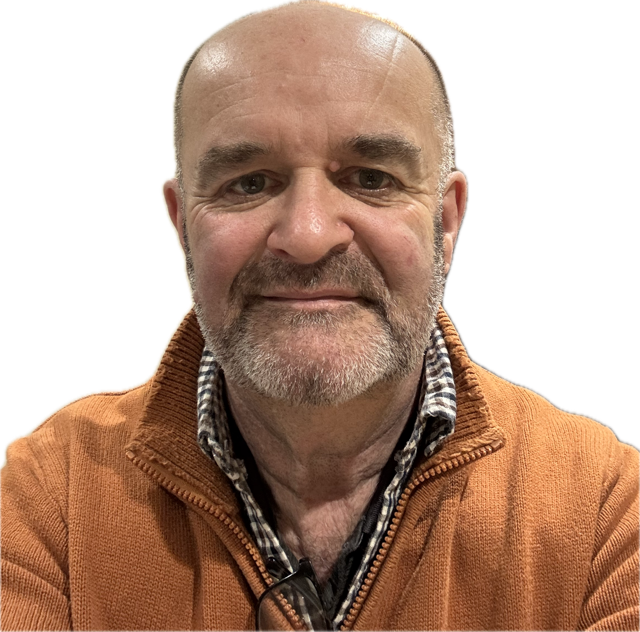
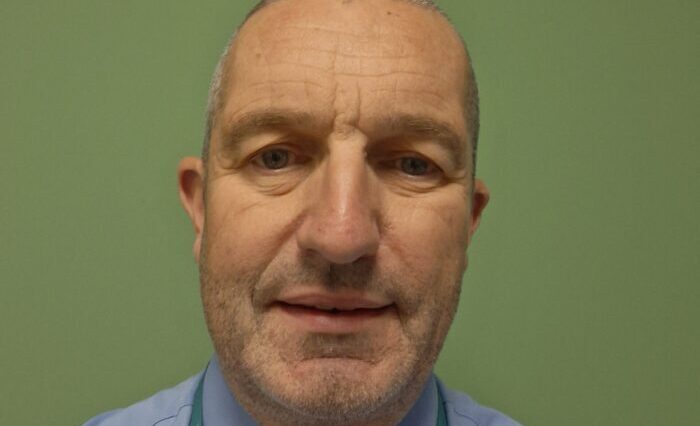
Photo: Austin Shields is Senior Manager – Fleet Services at Westmorland and Furness Council.
Leave a Reply