













With the UK’s deposit return scheme due to launch in October 2027, fleet and waste teams across local government are being asked to plan for a future they can’t yet see. Gareth Rollings, Head of Waste at West Sussex County Council and Chair of LARAC, explains to LAPV why patience – not procurement – should be the watchword.
For council fleet managers used to planning years ahead, the deposit return scheme (DRS) presents an unusually awkward problem: a major structural change to the waste stream is coming, but nobody yet knows how big the impact will be, or how quickly it will land.
Gareth Rollings has a clearer view than most. As Head of Waste at West Sussex County Council and Chair of the Local Authority Recycling Advisory Committee (LARAC), he sits across both the disposal and collection sides of the system – and he’s blunt about the financial exposure. West Sussex operates a PFI contract with a 50-50 profit share on recyclate, worth between £2m and £4m a year. High-value materials such as aluminium, which he says currently trades at around £1,300 a tonne, could fall to closer to £300 a tonne once DRS pulls the best material out of the kerbside stream. ‘We likely might write off all of our income,’ he says.
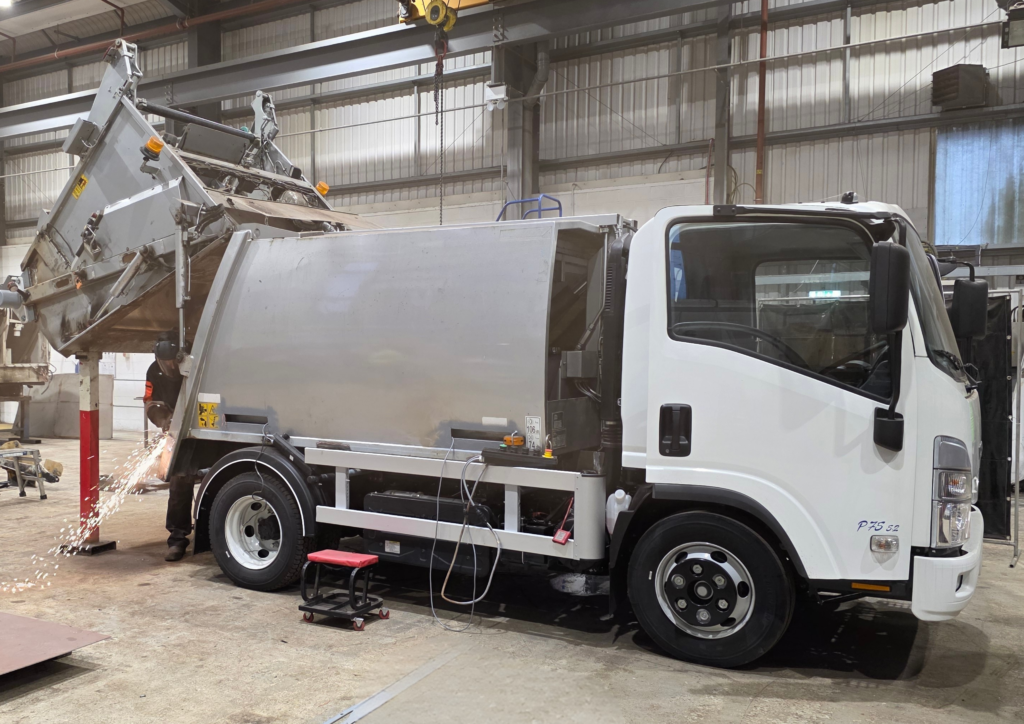
That income risk is the headline concern, but the operational one is arguably trickier for fleet teams. DRS targets 70% of in-scope material removed from general circulation in year one, rising to 90% by year three. For councils running commingled recycling – where everything goes into a single vehicle – that means lighter loads on the same routes, not fewer routes. As Rollings points out, distance travelled to the furthest collection point doesn’t change just because bins are lighter, so the case for cutting rounds or vehicles is far weaker than it might first appear.
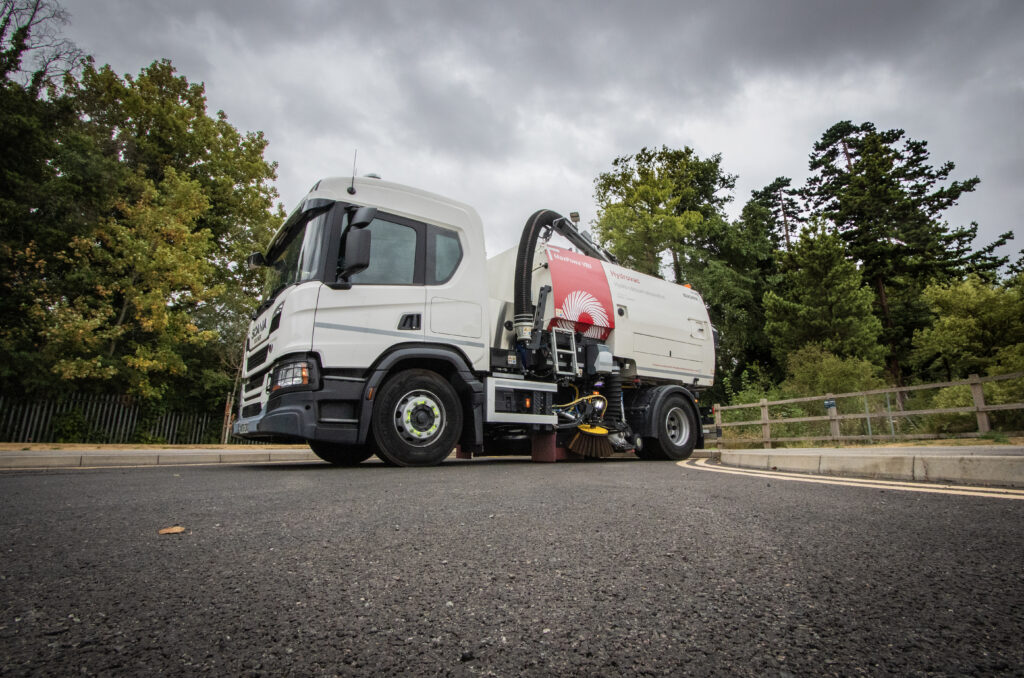
Street cleansing fleets, he argues, are even less flexible. Most councils already run at or near the practical minimum run at or near the practical minimum driven by resilience rather than workload, and coastal authorities face additional seasonal peaks that a national bottle-return scheme won’t touch.
Don’t buy for a future you can’t model
Perhaps the most pressing message for fleet managers replacing vehicles now – kit that will still be running well after DRS launches – is not to second-guess the scheme’s impact in specification decisions. Rollings describes the temptation to model ahead as ‘trying to be a bit too clever,’ and warns that predictive purchasing decisions ‘based on evidence that doesn’t yet exist’ are a recipe for expensive mistakes.
Drawing a parallel with the rollout of simpler recycling and food waste collections, he expects DRS to take a similar year-plus to bed in before reliable data starts to emerge. Behavioural change, he notes, is unpredictable and slow: buying habits around multipacks, participation rates, and public understanding of the scheme (which is being run nationally, not by local authorities) will all take time to settle.
That points to a practical hedging strategy: rather than cutting fleet numbers or replacement budgets in anticipation of falling volumes, councils should hold their existing budget lines, extend vehicle life where needed with additional maintenance, and resist the urge to model dramatic changes to MRF throughput or round design until real tonnage data is available. Leasing, Rollings suggests, offers some short-term flexibility but sits awkwardly with councillors’ preference for predictable, stable budgets year on year.
The bigger risk: being left with the dross
Rollings’ underlying worry extends beyond fleet specification. With high-value material diverted to the DRS scheme, councils risk being left managing the least commercially viable waste streams – contaminated recyclate, textiles, mattresses, and other materials with no recycling outlet – while carrying the infrastructure, transfer stations and communications burden built up over decades. Local authorities, he says, have ‘a really good system’ for managing waste, but risk being sidelined by a scheme designed and run outside local government, despite being the ones residents will ultimately turn to.
His advice to fleet managers preparing for October 2027 is straightforward, if uncomfortable: brief finance colleagues now on why fleet budgets still need protecting, resist rushing into round redesign or vehicle downsizing, and wait for a full data cycle before making structural changes. ‘You need to make your decisions based on evidence,’ he says, ‘not predictions.’
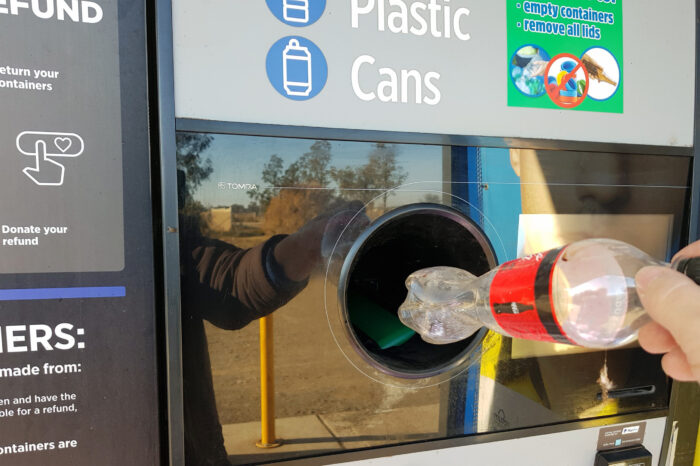
Photo: Deposit Return Scheme © Karen McFarland / Shutterstock.com
Leave a Reply