
















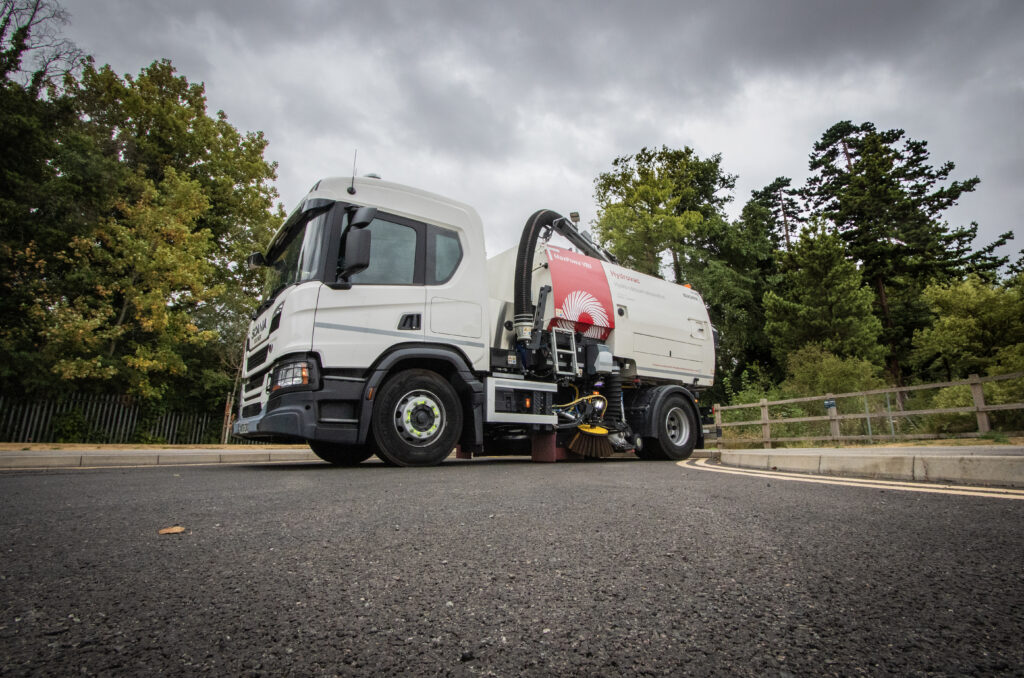


Emma Carrigy, Head of Research, Careers, and Inclusion at the Institute of the Motor Industry (IMI) looks at some of the challenges facing local authorities in recruiting and retaining a skilled HGV technician workforce.
Across the UK, fleet and waste operations teams in local authorities are becoming increasingly familiar with a challenge that is no longer emerging, but firmly embedded: a shortage of skilled HGV technicians. Local authorities rely on a small and specialised technical workforce to maintain the vehicles that underpin public services. And that workforce is having to shift its skill set as the increasing complexity of heavy vehicles – including electrification, digital diagnostics and connected systems – demand new areas of expertise. Yet the supply of qualified personnel is tightening year-on-year.
IMI modelling shows that the UK has approximately 31,000 heavy vehicle technicians, comprising 21,000 HGV and 10,000 bus and coach technicians. Unfortunately, only 1,675 of these, a fraction of the national workforce, works on local authority fleet operations, from maintaining refuse vehicles and road maintenance fleets to contracted waste services. It’s simply not enough to meet rising demand across essential services.
Demand rising faster than supply
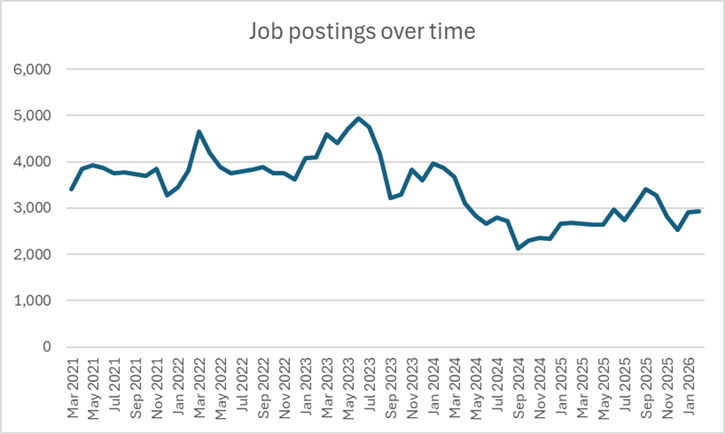
The IMI’s job posting data from 2021–2025 shows sustained and elevated demand for heavy vehicle technicians, peaking at nearly 5,000 vacancies in 2023 and remaining significantly above pre‑pandemic levels. With posts remaining advertised for around 31 days, the picture is particularly critical for local authorities when competing with the private sector for talent.
Large logistics operators, dealerships and national fleet businesses dominate recruitment activity in many regions, including the South East, East Midlands, West Midlands and East of England. These are all regions with extensive freight and distribution networks drawing from the same technician pool, leaving few available to work within the public sector.
Salaries have also continued to climb in recent years. IMI data shows that the median advertised salary for heavy vehicle technicians increased from £40,500 in 2023 to £46,000 in 2025. A rise of around £5,000 in just two years has, no doubt, been prompted by the scarcity of qualified technicians. Local authorities, working within tighter pay frameworks, will struggle to keep pace with this inflationary pressure, presenting another layer of complexity to the recruitment challenge.
Why the pipeline is drying up
There are several factors contributing to the lack of a strong pipeline of talent for the HGV sector. The automotive workforce in general is ageing. However, the attraction of new talent at the start of their careers is not keeping up with rising demand across the sector.
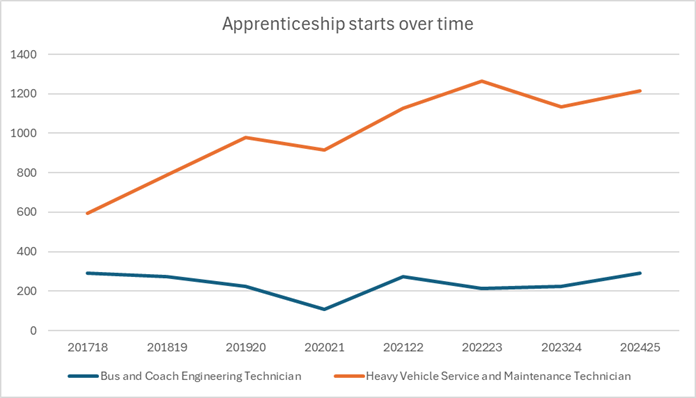
IMI data reveals that there are around 1,200 heavy vehicle service and maintenance apprenticeship starts each year, and 200–300 for bus and coach engineering. And whilst the number of HGV apprenticeship starts has doubled since 2017/18 it is not keeping up with demand. Qualification completions are even lower – around 1,000 HGV technicians and fewer than 100 bus and coach technicians qualify each year. When set against a national technician workforce of 31,000, the numbers raise genuine concerns about long‑term sustainability.
The shift to low- and zero-emissions vehicles is yet another pressure point, and one that is rapidly increasing in momentum. Electrification of refuse collection vehicles and bus services, for example, brings new diagnostic and safety requirements, meaning increased training needs and additional pressure on the already overstretched technician workforce.
The role of employers in skills development
Supporting skills development is one area that could help employers attract and retain HGV technicians, including providing access to training, apprenticeships and ongoing professional development. Giving employees access to recognised professional standards will not only ensure technicians have the skills and competence required to work safely on increasingly complex vehicles; it will also give them important kudos for their own career pathway.
Are apprenticeships enough to close the gap?
The other route to talent is through apprenticeships. Although qualification rates are not keeping pace with demand, apprenticeships remain crucial, and the most efficient way to fill the technician skills gap. Strengthening the apprenticeship pipeline must, therefore, be a strategic priority for local authorities across the UK.
However, addressing the skills shortage requires more than just apprenticeships. A combination of attracting new entrants, supporting training pathways and helping existing technicians maintain and develop their skills as vehicle technology evolves is critical. Without this dual approach, fleet resilience and the continuity of essential public services will remain at risk.
Photo: Emma Carrigy.
Leave a Reply