


















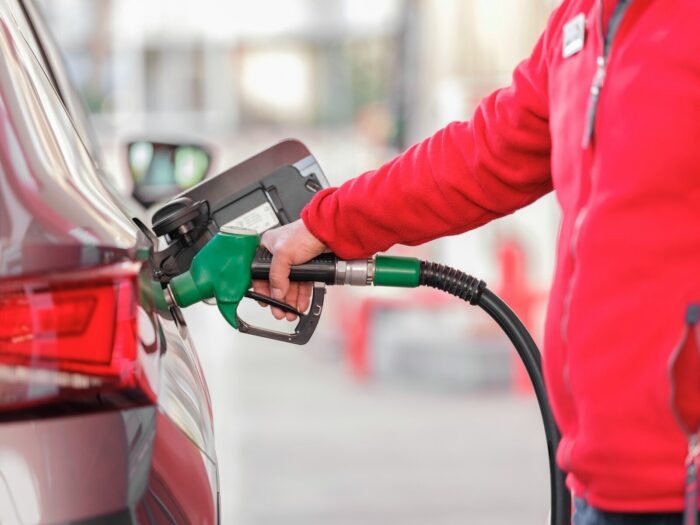
Chancellor John Healey has announced a series of tax giveaways on vehicle, fleet and plant fuel as well as electric vehicle charging reforms.
The headline announcement was that the Government will extend the ‘temporary’ 5p-per-litre fuel duty cut for a further six months to 1 July 2027. It is also deferring the planned RPI inflation increase to 1 July 2027.
‘Taken together, the Government’s decisions on fuel duty across this Parliament will save the average car driver £230, the average large goods driver saves £472 and the average heavy goods driver nearly £4,000 compared to plans under the previous government, and means petrol and diesel will be 15p per litre cheaper from April 2027,’ Treasury officials said.
Business owners will also benefit from the Government’s commitment to ‘permanently increase tax-free mileage rates for employees and self-employed people who use their own car or van for work’.
The tax-free, per-mile rate will be 55p for the first 10,000 miles and 35p per mile for mileage above 10,000 miles.
The Treasury announced it will extend the temporary 3.7p-per-litre red diesel duty cut for a further six months, along with the proportional reduction in red diesel duty resulting from the 5p cut to the main fuel.
Red diesel is still used in rail, though it was banned in construction, civil engineering, and building site machinery in April 2022.
Red diesel duty will then return to its pre-March 2022 rate and be uprated in line with RPI from 1 July 2027.
On top of this, the Treasury said it would maintain the Heavy Goods Vehicle (HGV) road tax holiday to 1 July 2027 — ‘keeping fuel duty as low as at any point in over 16 years and substantially lower in real terms, while the red diesel rate remains at its lowest level for over 20 years’.
There was also action on electric vehicle (EV) charging through a ‘tariff porting taskforce and £100m to reduce the cost of local, lower-powered public chargers across Great Britain – saving them £150 per year on average’.
The taskforce will explore allowing drivers to use their domestic electricity tariff at local, lower-powered public charge points. It was described as ‘a complex proposal that will take time to consider’.
The Department for Transport (DfT) will set out next steps ‘in due course’.
Ministers plan to introduce legislation in the Finance Bill 2026-27 to clarify that electricity supplied through publicly accessible and workplace electric vehicle charging points is subject to 20% VAT and is not considered domestic use for the Climate Change Levy. The legislation will take effect from 1 November.
Originally published by Highways.
Photo: © engin akyurt
Leave a Reply